KELVIN ZEE / FULL CUSTOMER LIFECYCLE PRODUCT LEADER

Benefit depth shaped the strategy for renewal and shopping.
Read the full storySenior Manager, Prime Worldwide Engagement (L7 PMT)
PROGRAM RESULTS & SCOPE
The broader lifecycle program produced 23% higher renewals and 17% higher shopping activity. Those results reflect the program, not one recommendation or screen. Country teams owned local commercial outcomes; I led the shared platform and product direction.
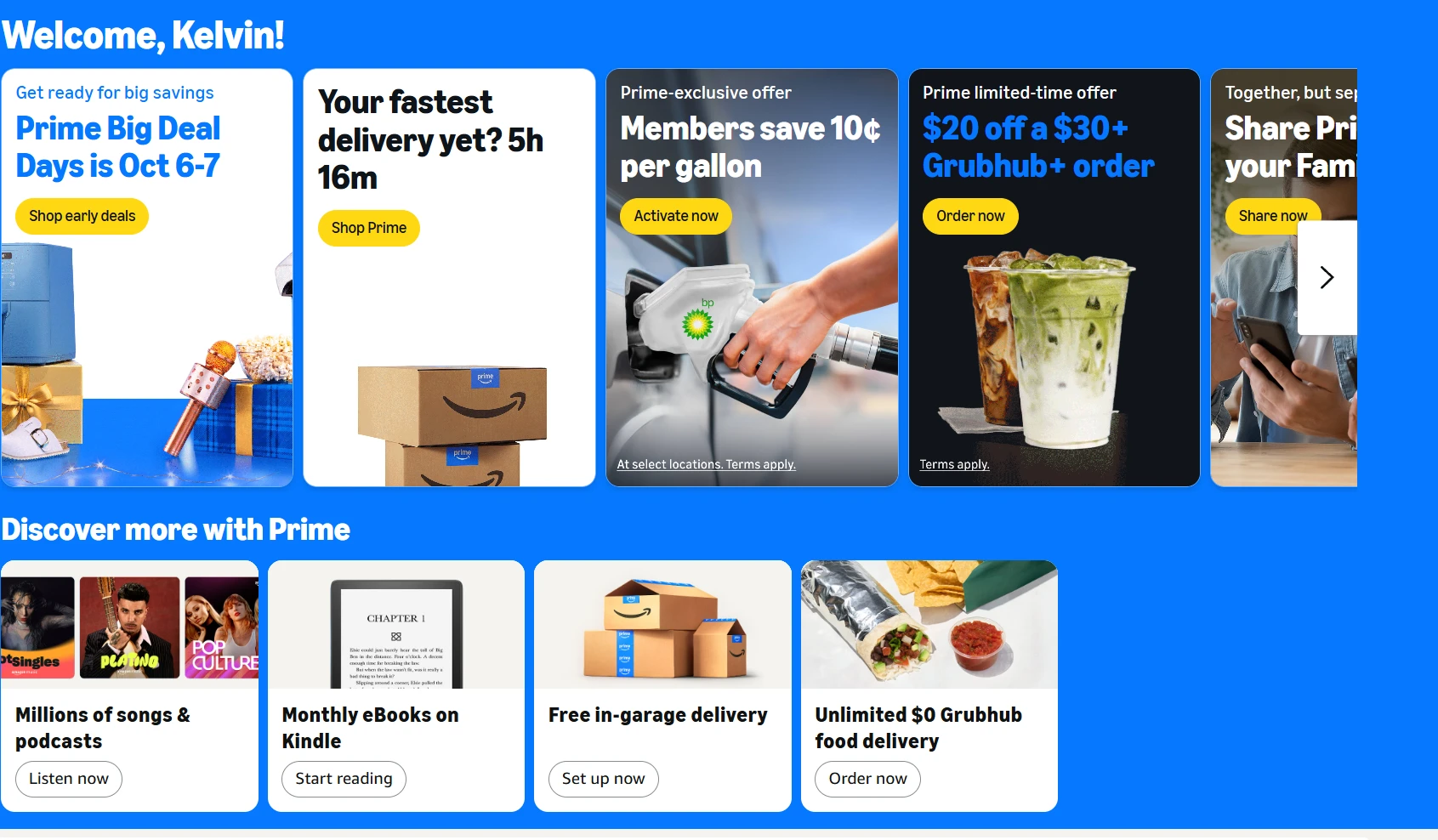
Surfaces where recommendations were served, and where benefit value was presented back.
Customer problem
Benefit depth became the design target.
Members entered Prime through different doors, often video or shopping. My analysis found that members using three or more benefits showed roughly 70 percent stronger 60-day yield. The strategy was to use each member's starting point to guide them toward the next relevant benefit.
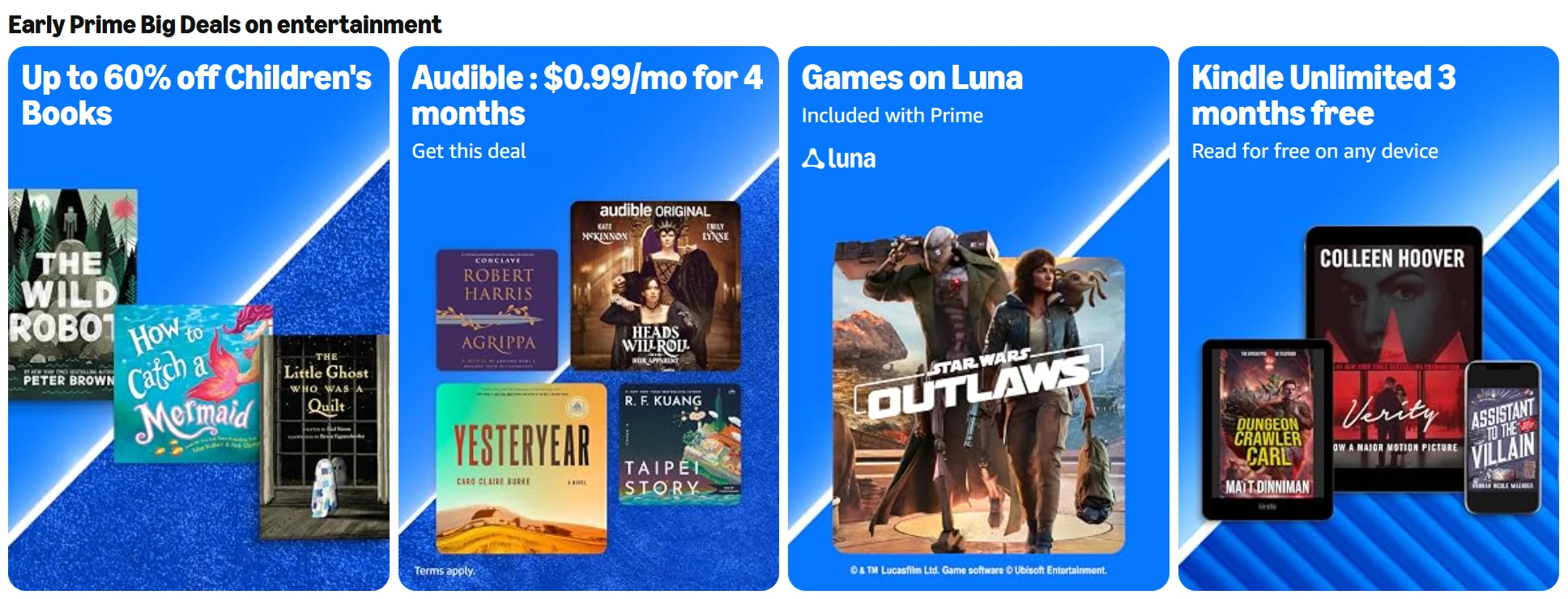
Surfaces where recommendations were served, and where benefit value was presented back.
Product decision
Use member context to shape the recommendation.
I led development of a shared platform that combined member preferences with retail product information. Recommendations could change with the member's starting point, lifecycle stage, benefit use, and market. Product, engineering, design, and data science translated those requirements into reusable capabilities.
I owned Prime's global lifecycle engagement platform and led product direction across functions.
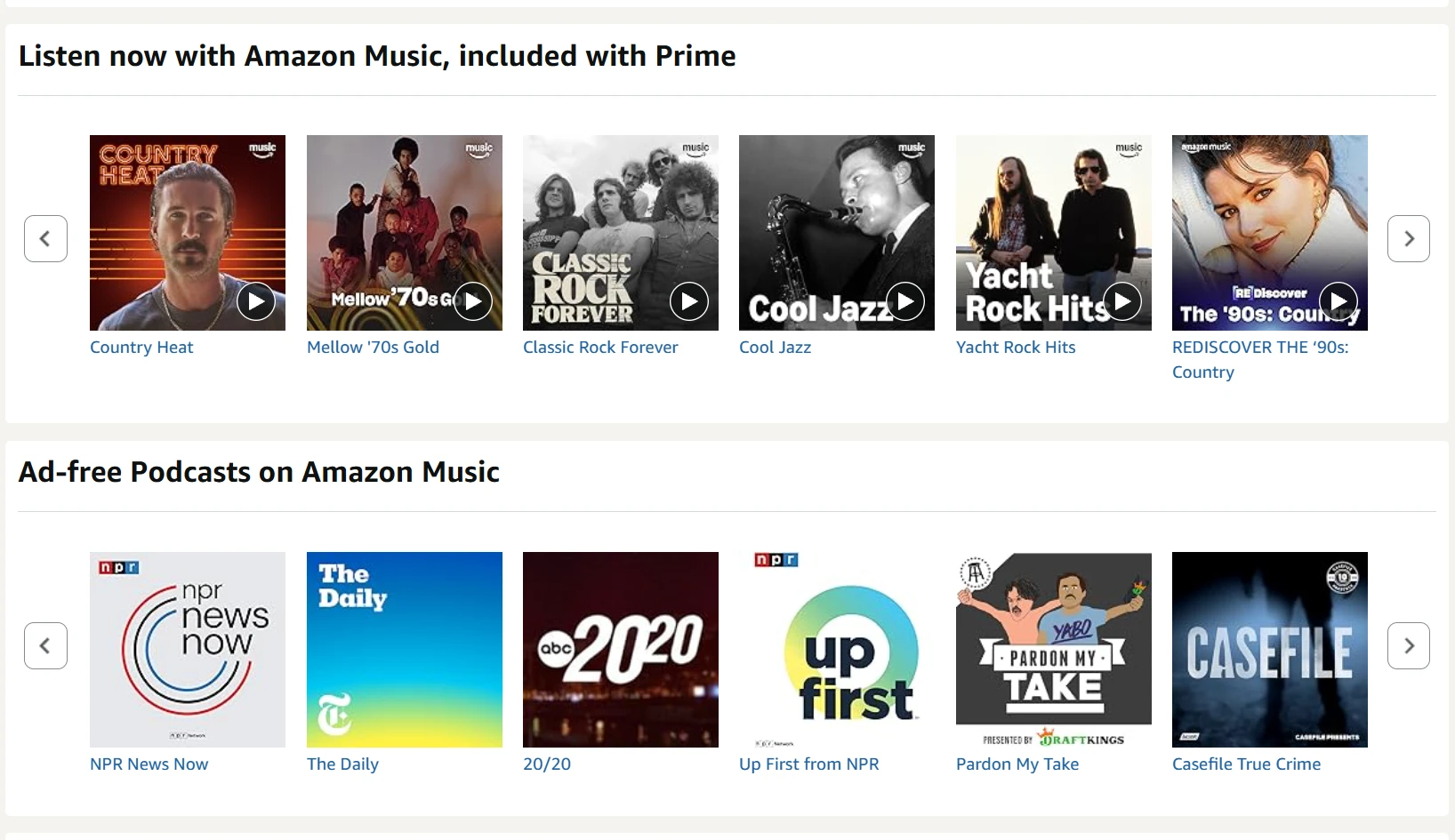
Surfaces where recommendations were served, and where benefit value was presented back.
What changed
Let country teams adapt without rebuilding.
Country teams could adapt targeting and incentives through the shared platform, keeping local judgment close to customers. Our central team supplied dedicated development capacity and reusable capabilities. Localized experience build time fell from roughly four weeks to four hours across the work serving 26 countries.
Read the full story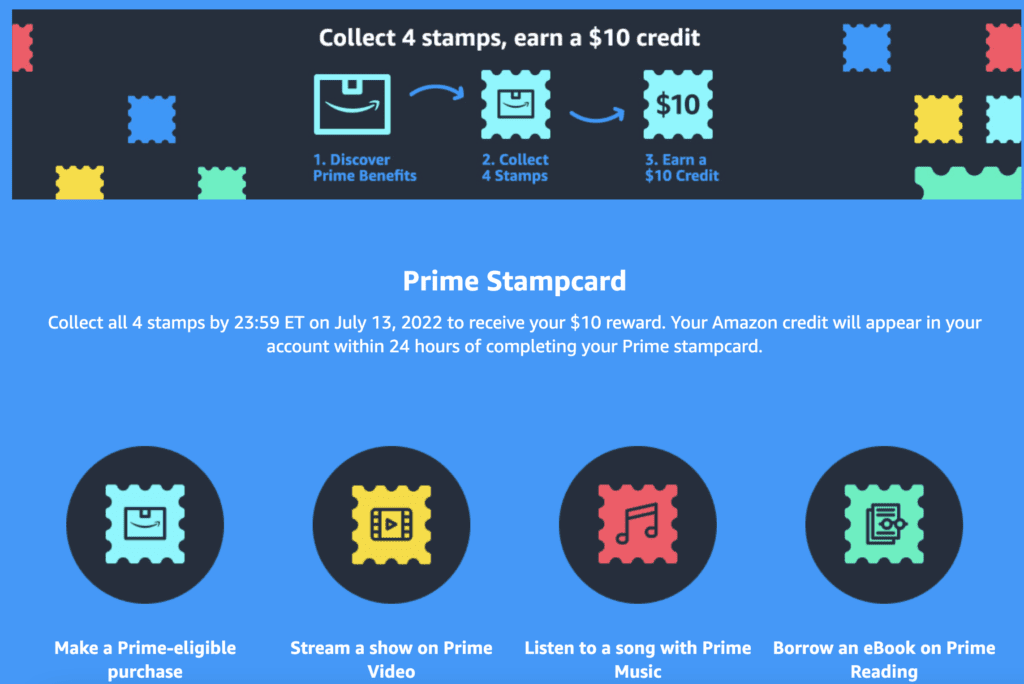
FROM THE WORK / 2022-2023
One instance of a control plane, not one campaign.
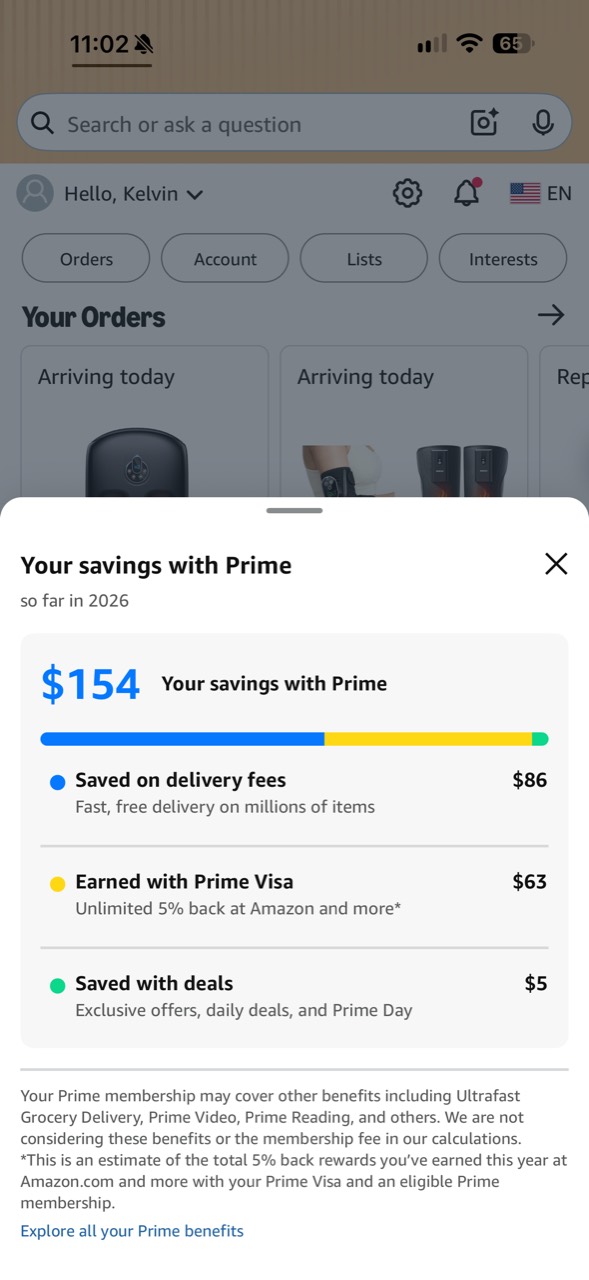
Prime Stampcard asked a member to use four parts of the membership, a purchase, a show, a song and a book, for a $10 credit. It is one output of what my team actually built: a self-service front end that let product managers in 26 countries compose their own do-X-get-Y experiences without waiting on bespoke engineering. Localized build time went from roughly four weeks to roughly four hours.
Each experience was configurable by audience, lifecycle stage, benefit, ingress and channel, which is more than 520 base country-benefit combinations before any variant. The incentive was optional, because the goal was completing benefit activation rather than buying a single transaction, and the placements reached well past one page on Amazon.
The cadence underneath was 30, 60 and 90 day activation and retention measurement, so a country team could tell whether their variant moved the behavior or only the click.
Beside it, the savings view that presented the value back to the member. One surface asks for a benefit to be used, the other shows what using them was worth.
Brand and design are Amazon's.

From billing confusion to benefit discovery.
Read the full storySenior Manager, Customer Engagement Product Management
PROGRAM RESULTS & SCOPE
These are broader Billing & Benefits program outcomes. They cannot be assigned to a single screen or intervention. One-time payment completion is not a conversion-rate measure.
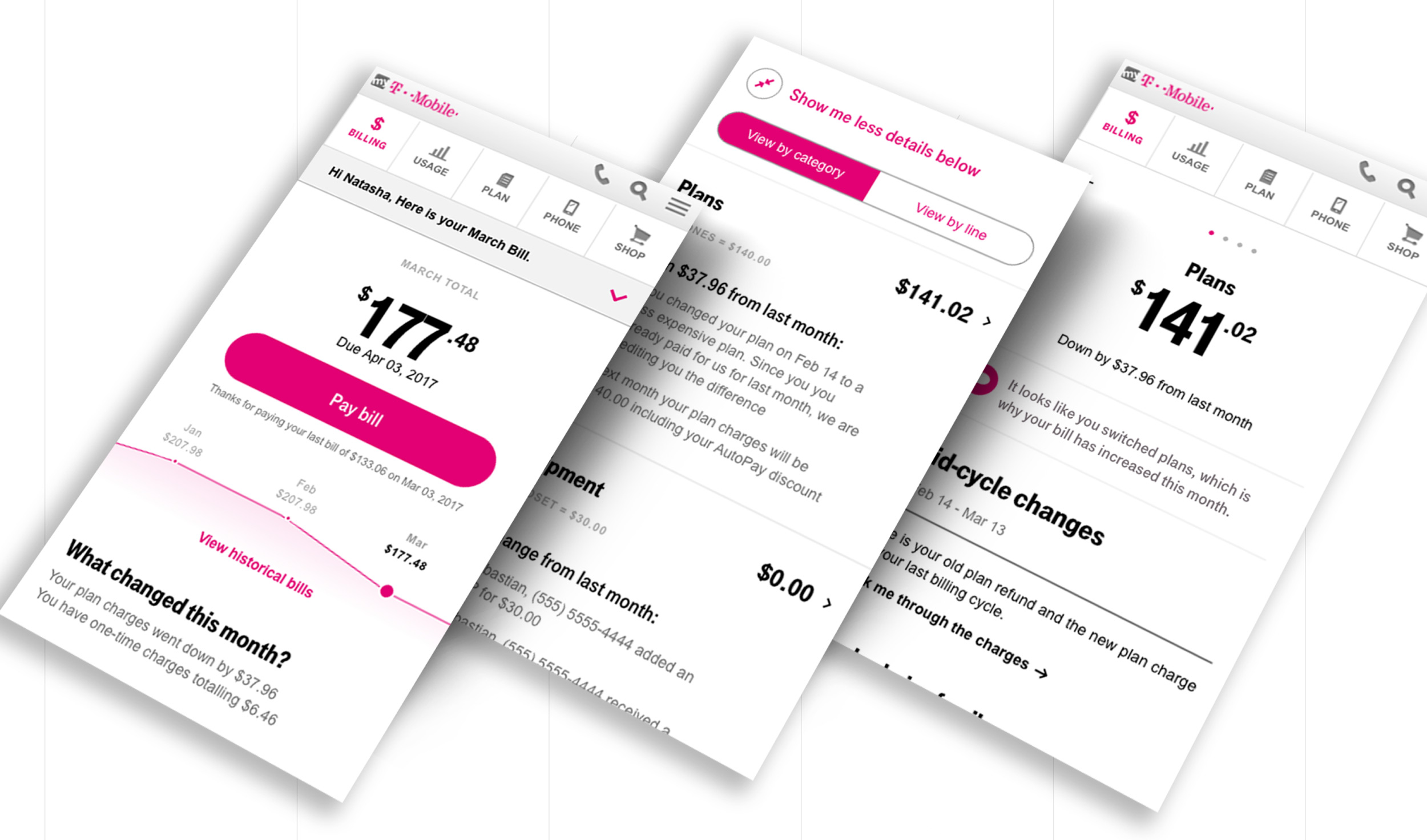
Original 2018 T-Mobile billing designs.
Customer problem
An accurate charge still needs an explanation.
An accurate bill could still leave a customer unsure what they owed or why, especially when different channels answered the same question differently. Repeated contact exposed that gap. I led the team to use those signals to prioritize the work.
Original 2018 T-Mobile billing designs.
Product decision
Give every channel the same explanation.
The fix crossed team boundaries. I set product priorities and secured engineering and analytical support while the team aligned charge timing, rules, and explanations across digital billing, care, retail, and voice support. Representatives could then see the customer's own bill.
I led product direction across digital billing, frontline explanations, and benefit discovery.

Illustrative benefit statement.
What changed
Show the benefits customers already have.
With a more understandable bill in place, we added a benefit statement showing activation and use. A customer could see that Netflix on Us was still inactive or find their T-Mobile Tuesdays activity. The recurring bill became a place to recognize membership value.
Read the full storyFROM THE WORK / 2018
The explanation, in the bill.
The 2018 billing designs show the total, what changed, and why. They make the billing problem concrete alongside the product decisions described above.
Designs from the T-Mobile Billing & Benefits program. Figures inside the screens are example interface content. Program results reflect the broader work.
Taxes included was the hard part, and the whole point.
Read the full storySenior Product Manager, Postpaid Subscription Product
PROGRAM RESULTS & SCOPE
T-Mobile named ONE as a primary growth driver for the quarter alongside iPhone 7 and prepaid migrations, so these are company results the work contributed to rather than results it produced alone. The net-add and adoption figures are from T-Mobile's published Q3 2016 results and its October 2016 statement.
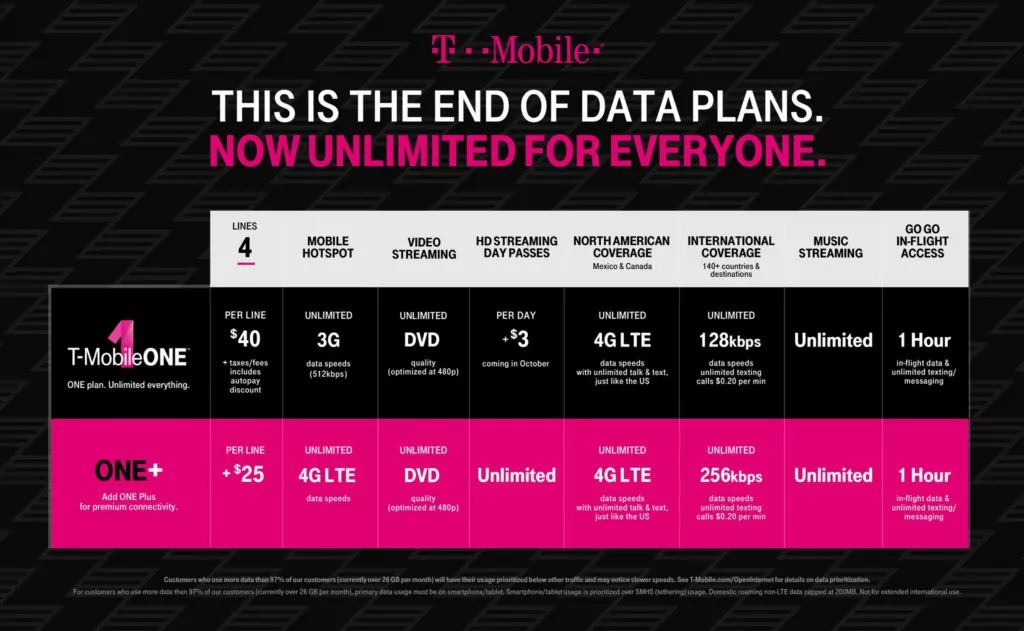
2016 T-Mobile ONE launch materials.
Customer problem
The advertised price was never the price.
Taxes and fees sat outside the number, a contract locked the customer in, overages punished heavy months, and a device subsidy hid inside the line charge. Every one of those made the ad smaller and the bill bigger.
2016 T-Mobile ONE launch materials.
Product decision
Put the tax inside the price.
Unlimited, no contract, and from January 2017 one tax-inclusive price. That is not a marketing change. A price that includes tax is an accounting, legal, billing and revenue-recognition change, and it had to be true in every system before it could be said out loud.
I led the pricing and packaging workstream and aligned the eight functions that had to change for it.
2016 T-Mobile ONE launch materials.
What changed
Eight functions had to agree on one number.
Legal, accounting, finance, care, retail, billing, marketing and customer delivery each had a version of the same question, which was what the number meant in their system. T-Mobile named ONE a primary growth driver for Q3 2016, and by that October roughly 75% of new postpaid accounts were activating on it.
Read the full storyFROM THE LAUNCH / 2016
The promise and price, on one page.
The launch comparison put the plan promise, per-line price, and included benefits together. The price still carried a taxes and fees qualifier. The later tax-inclusive rollout had to remove that gap in the systems that produced the bill.
T-Mobile ONE launch materials, 2016. Brand and design are T-Mobile's.

Make the upgrade promise work end to end.
Read the full storySenior Product Manager, Device Programs
PROGRAM RESULTS & SCOPE
The cost reduction applies to the device-program portfolio. Enrollment and upgrade figures describe JUMP! outcomes; they do not isolate the effect of one partner handoff.
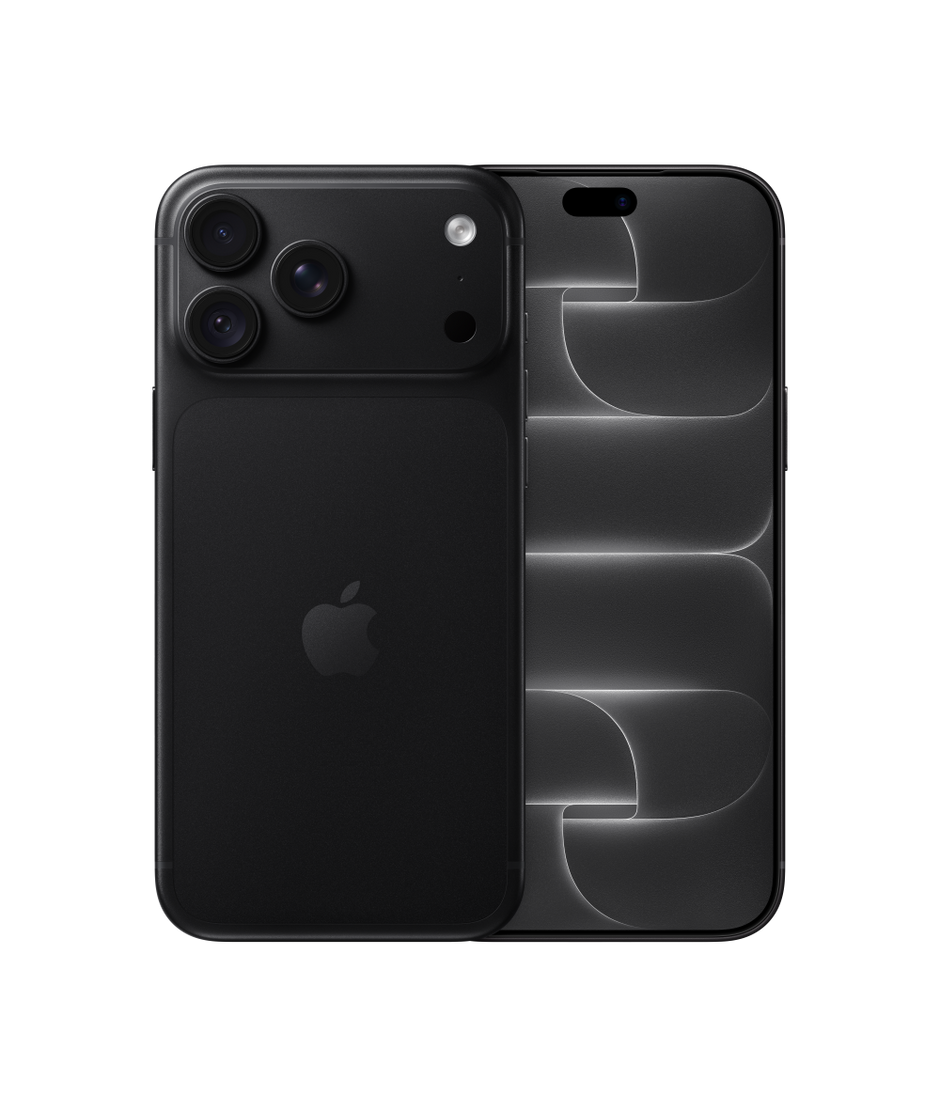
Illustrative lifecycle with current iPhone 18 Pro Max imagery.
Customer problem
Financing alone does not create an upgrade path.
Customers could finance a phone. Making an upgrade possible also meant protecting the phone, accepting its return, and settling the financing obligation so the customer could move on. I created JUMP! by combining existing insurance and refurbishment programs with the new financing product.
- 01Assess the device
- 02Reconcile financing
- 03Confirm the upgrade
Illustrative lifecycle with current iPhone 18 Pro Max imagery.
Product decision
Make the handoffs explicit across companies.
I defined the API data contracts and business rules connecting enrollment, entitlement, device return, and financing reconciliation. Each partner needed to agree on the customer's state before the next step could work. Engineering teams implemented the backend systems behind those handoffs.
I created JUMP! and led product rules, partner integration, and device-program economics.
Refurbishment
Illustrative lifecycle with current iPhone 18 Pro Max imagery.
What changed
Complete the upgrade and the return cycle.
An eligible customer could move to the next device while the returned phone entered refurbishment. Product redesign and partner negotiations also addressed what that lifecycle cost to operate. JUMP! reached 11.3 million enrollees by Q2 2015; member upgrades accelerated from nearly 20 months to 14 months.
Read the full storyCurrent iPhone 18 Pro Max imagery: Apple. JUMP! mark: T-Mobile 2013 annual report. Contemporary hardware illustrates the historical program lifecycle.
INDEPENDENT RESEARCH / 02
Four product decisions, with the assumptions exposed.
Independent analysis of how customers decide to pay and why they stop. Each brief makes the mechanism, assumptions, tradeoffs, and validation path inspectable.
All 4 briefsEXPERIENCE / 03
Building the team is part of building the product.
At Prime, I grew the PM team from one to five Senior PMTs and led product direction for a 130+ person cross-functional organization. At T-Mobile, I led a team of seven and promoted three PMs to Senior PM.
View my career history